How Digital Wallets Navigate Regulatory Oversight in Mobile Table Gaming Platforms Worldwide
Écrit par Amir Richter · 15/11/2026
How Digital Wallets Navigate Regulatory Oversight in Mobile Table Gaming Platforms Worldwide
Digital wallets have become central to smartphone-based table games such as poker and blackjack, where they facilitate instant deposits and withdrawals while interfacing directly with regional oversight mechanisms that demand strict identity verification and transaction monitoring. Regulatory bodies require these payment tools to embed anti-money laundering protocols and age checks at the point of transaction, and this integration varies sharply by jurisdiction because each authority sets its own thresholds for real-time reporting and data retention.
Core Mechanics of Wallet Integration with Compliance Systems
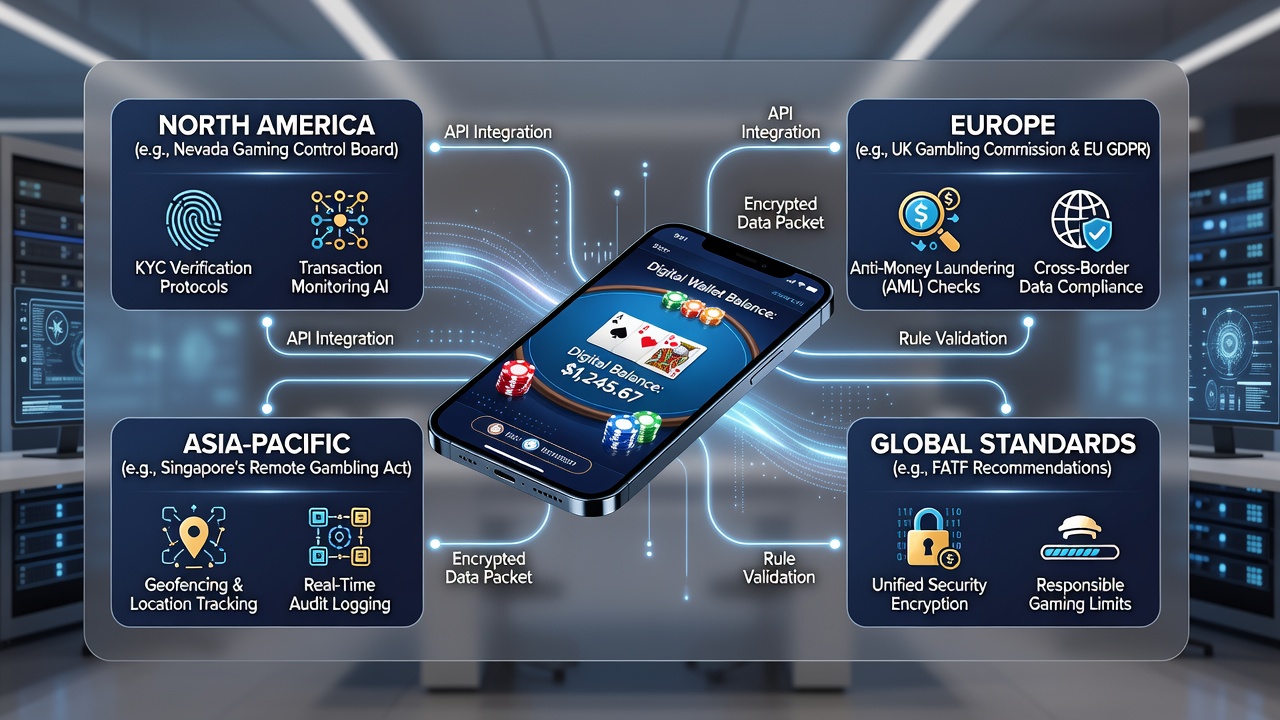
Payment providers link digital wallets to gaming operators through APIs that trigger automated compliance checks before funds reach the game interface, and observers note that systems in multiple regions now flag transactions exceeding certain thresholds for manual review within hours. In practice, a user initiating a deposit sees the wallet prompt an identity confirmation step that pulls from government databases or biometric records, while the backend simultaneously logs the activity for audit trails required by licensing conditions. Researchers have documented that this layered approach reduces unauthorized access incidents, and data from platform operators shows that wallet-based sessions account for a growing share of table game activity on mobile devices because they bypass traditional card entry friction.
Regional Variations in Oversight Requirements
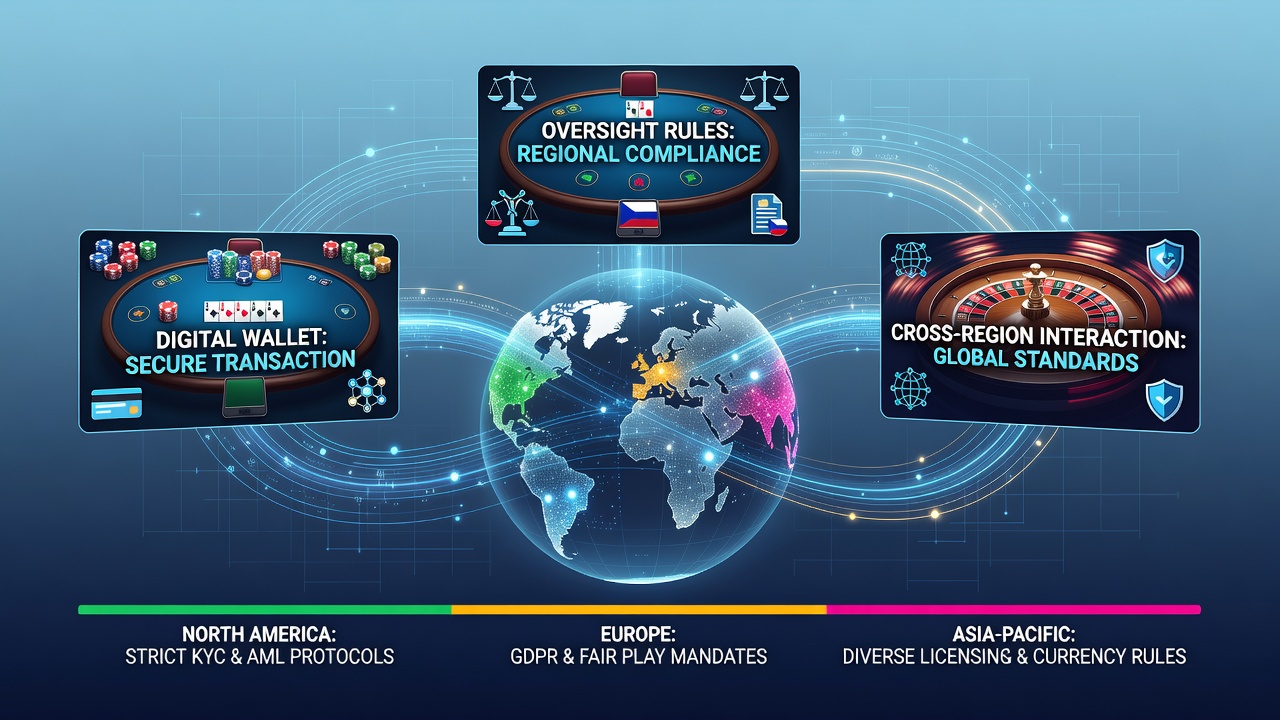
European frameworks emphasize data protection alongside gambling rules, so wallet providers must align with payment service directives that mandate consent flows and breach notification timelines, whereas North American state regulators focus more on financial tracking and source-of-funds declarations for larger transfers. Australian authorities apply similar wallet authentication standards across their licensed operators, requiring periodic reconciliation reports that cross-reference player activity with wallet logs. In Asian markets the picture shifts again because some territories demand local wallet partnerships that route all transactions through domestic clearing systems equipped with built-in oversight modules. These differences mean a single global gaming app often maintains separate wallet configurations for each region to satisfy distinct reporting frequencies and data localization rules.
What's interesting is how wallet technology has adapted to these patchwork requirements, and one case study from operators in multiple jurisdictions revealed that modular compliance engines allow quick toggling of verification levels depending on the user's detected location. Figures from industry reports indicate that wallet transaction volumes in regulated mobile table games rose steadily through late 2026, with November data showing continued expansion in jurisdictions that updated their digital payment guidelines earlier that year.
Technical and Security Protocols in Practice
Encryption standards and tokenization now form the baseline for wallet-to-operator handshakes, and experts observe that many platforms incorporate dynamic risk scoring that adjusts verification intensity based on factors such as transaction velocity and player history. When anomalies appear, the system pauses the transfer and routes it for secondary review, a process that regulators in several regions have made mandatory through updated licensing conditions. Those who have examined compliance logs note that wallet providers often share anonymized pattern data with oversight bodies to help refine detection algorithms, yet each region still imposes its own limits on what information can cross borders. This setup creates operational complexity for app developers who must maintain region-specific code branches while ensuring seamless user experiences during table game sessions.
Emerging Trends Observed in November 2026
By November 2026 several jurisdictions had rolled out enhanced wallet interoperability standards that allow cross-border play under controlled conditions, and these updates built on earlier pilot programs that tested real-time settlement with built-in compliance checkpoints. Industry analyses from that period show increased adoption of multi-factor wallet authentication methods, including device-bound biometrics paired with behavioral analytics, which help satisfy evolving oversight demands without slowing gameplay. Observers tracking these developments point to coordinated efforts among regulators in North America and parts of Asia to align certain reporting formats, although full harmonization remains distant because local priorities continue to differ on issues such as tax withholding and player fund segregation.
One documented example involves a platform that adjusted its wallet integration after receiving guidance from Canadian provincial authorities, resulting in faster approval times for verified users while maintaining strict logging for higher-risk activity. Similar adjustments appeared in European operators responding to updated payment service rules, and the pattern suggests that wallet technology will keep evolving alongside regulatory refinements rather than ahead of them.
Future Outlook Based on Current Data Patterns
Current figures reveal that wallet usage in smartphone table games correlates strongly with jurisdictions offering clear, updated guidance on digital payments, and this alignment encourages operators to invest in region-specific compliance tooling. Academic studies examining transaction datasets from 2025 through November 2026 highlight how oversight integration affects player retention rates across borders, with smoother wallet experiences appearing in markets where regulators publish explicit technical standards. As new oversight frameworks continue to emerge, wallet providers and gaming platforms maintain ongoing dialogue with authorities to anticipate changes before they take effect, ensuring that mobile table game ecosystems remain both accessible and compliant.
Conclusion
The interaction between digital wallets and oversight rules in smartphone-based table games reflects a dynamic balance between technological capability and regulatory mandates that differ by region, and continued monitoring of transaction patterns through late 2026 underscores the need for adaptable systems that can accommodate new requirements without disrupting core gameplay functions. Data from multiple sources indicates steady progress in standardized verification methods, yet regional distinctions persist and shape how operators configure their payment flows. Those following these developments recognize that wallet compliance will remain a key operational focus as mobile table gaming expands into additional markets.